
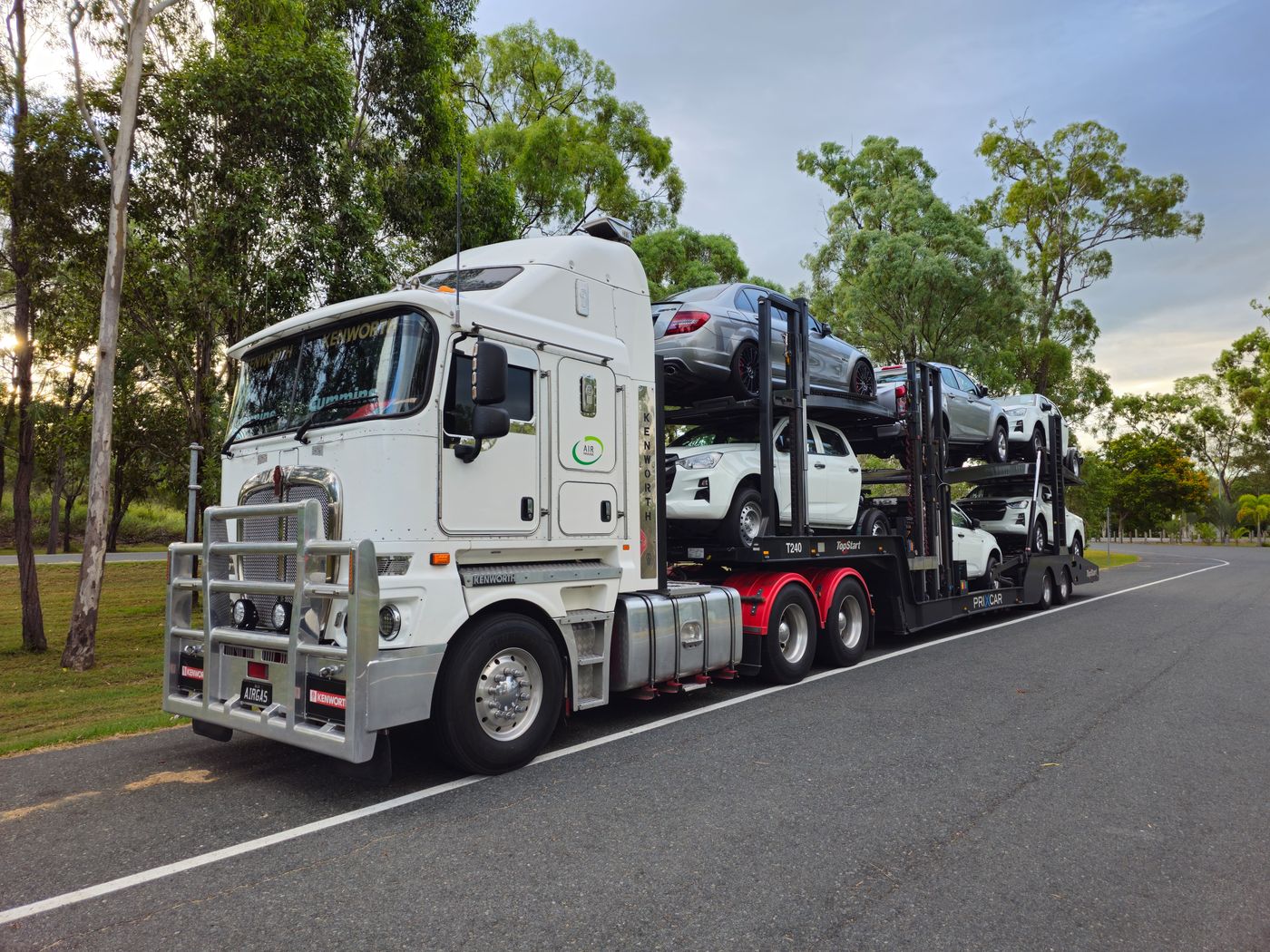
Vehicle transport is a smaller purchase than a household move, but the disputes can be sharper. A scratch, a missing mirror or a delayed delivery turns a simple booking into an argument. The paperwork prepared before pickup decides how that argument ends.
This checklist covers cars and bikes moved by road across India in 2027. It explains what a condition report should contain, what a carrier should provide and which payment demands should stop the transaction.
Start with a written condition report
Before loading, the crew should record the odometer reading, fuel level, existing scratches, dents, tyre condition and any loose parts. For a bike, add the mirror, indicators, seat and any fitted accessories. Photograph each side and the odometer with a date stamp on your phone.
Both sides should sign the report and keep a copy. At delivery, compare the vehicle against the same document before paying the balance. A difference noted in the report is easy to resolve; a difference remembered from memory is not.
No condition report, no handover. This one document prevents most vehicle transport disputes.
Choose the carrier that matches the vehicle
A covered carrier protects a car or bike from rain, dust and road debris. Open carriers cost less and can be acceptable for short routes or sturdy vehicles, but the trade-off should be explained before booking. Ask whether the vehicle will be strapped, how many vehicles share the load and whether it will be transhipped on the way.
Transhipment is where damage and delays often happen. If the route requires a change of vehicle, ask how the handover is recorded and whether the condition report travels with the consignment. A professional operator will have a standard process for this.
Fuel, fluids and personal items
Most carriers ask for a low fuel level, usually around a quarter tank, to reduce weight and risk. Follow the instruction in the booking confirmation rather than a verbal note. For a bike, the tank should generally be empty or nearly empty.
Remove loose items, documents and expensive accessories. They are not part of the vehicle consignment and are rarely covered. Photograph the empty storage area so there is no confusion later.
Insurance is a separate decision
Transit insurance for a vehicle is optional and is priced on the declared value, at 7% if you choose it. Ask for the policy wording before pickup and check whether it covers transit damage, theft and loading injuries. Mechanical failure and pre-existing damage are normally excluded.
A low quote that assumes no insurance can look attractive until you need a claim. Decide the declared value honestly and keep the policy with the condition report. If a company insists insurance is included but will not show the document, treat it as not included.
Payment and invoice rules
A 20% advance to reserve the carrier is normal; the balance is payable after pickup or on delivery as stated in the written quote. Pay to a company account and take a receipt. The final invoice should be generated from the written quotation, with the route, carrier type and insurance line item clearly shown.
Beware of a demand for the full amount in cash at the pickup point, especially when no consignment note has been issued. A consignment number and a dispatch confirmation are normal parts of a professional vehicle move.
Questions to ask before you confirm
Ask how many vehicles share the carrier, which route it takes and whether the load is transhipped. A direct route with fewer stops is usually kinder to a car or bike than the cheapest route with three hubs. Ask for the expected pickup window and delivery window in writing, not as a rough guess over the phone.
Ask whether a consignment note is issued at pickup and where the original condition report will be kept during transit. If the report stays only on the crew's phone, request a copy for yourself. Ask for the name and number of a person at the destination branch who can confirm delivery.
Ask what happens if the truck is delayed by weather, a breakdown or a traffic restriction. A professional coordinator will explain the update process and who contacts whom. An answer that relies on you calling repeatedly is a service warning, even if the price is good.
Finally, ask about cancellation and rescheduling before you pay the advance. Dates change, especially during exams, festivals and monsoon months. A written policy on rescheduling is worth more than a small discount that cannot be moved.
Before you hand over the keys, take a final walk around the vehicle and confirm the report matches what you see. A careful two-minute check at pickup is worth far more than a long complaint at delivery. It also tells the crew that the consignment is being tracked properly.
What to do if the delivery window slips
Delays happen on long routes because of weather, traffic restrictions, carrier breakdowns or a hub that is full. A delay is not automatically a scam. What matters is whether the company tells you and whether the consignment can be located. Call the office with the consignment number and ask for the current hub and the revised window.
Ask for the update in writing, even if it is a short message. A written revision protects you if you have to change travel plans, book temporary parking or explain a delay to a housing society. It also gives the branch a clear record of what was promised.
Do not hand over the balance before you have inspected the vehicle, even if the driver says payment is needed to release the keys. The written quote decides the timing. If a delivery delay has genuinely added cost, the company can discuss it after the vehicle has been checked and the paperwork completed.
If the vehicle has been used during transit, the odometer reading on the delivery report will show it. Note the difference, photograph it and raise it with the office before signing a clean delivery note. A professional carrier will investigate rather than argue.
Before you hand over the keys, take a final walk around the vehicle and confirm the report matches what you see. A careful two-minute check at pickup is worth far more than a long complaint at delivery. It also tells the crew that the consignment is being tracked properly.
A note on seasonal transport risks
Monsoon travel increases the value of a covered carrier and a sealed condition report. Water marks on a seat or an electrical fault after wet loading are difficult to discuss without dated photographs. Ask how the vehicle is protected during a midnight halt.
During festival and exam seasons, carrier space is tight and delays are more likely. Book earlier, confirm the revised window in writing and avoid a same-day promise that depends on an unconfirmed vehicle.
Long routes with multiple hubs carry more handling than direct routes. If the saving on a multi-stop carrier is small, choose the direct service. Fewer handovers mean fewer chances for a scratch that nobody saw happen.
Before you hand over the keys, take a final walk around the vehicle and confirm the report matches what you see. A careful two-minute check at pickup is worth far more than a long complaint at delivery. It also tells the crew that the consignment is being tracked properly.
Delivery day: check before you sign
At delivery, walk around the vehicle with the driver and compare it with the condition report. Note the odometer reading to confirm it has not been used as a personal vehicle during transit. If there is damage, photograph it, record it on the delivery note and inform the office before signing a clean receipt.
If everything matches, sign the delivery note and keep your copy with the invoice and policy. A complete file makes resale, warranty and insurance conversations much easier later.
Key takeaways
- Photograph and record the vehicle condition before loading, with both signatures.
- Ask whether the carrier is covered and whether the vehicle will be transhipped.
- Keep fuel at the level stated in the booking confirmation.
- Optional transit insurance is 7% of declared value and must be documented.
- Pay the balance only after checking the delivery against the condition report.
Frequently asked questions
Odometer reading, fuel level, existing scratches and dents, tyre condition, mirrors and accessories, plus dated photographs from every side. Both parties should sign and keep a copy.
Follow the carrier's written instruction, usually around a quarter tank for a car and near empty for a bike. Confirm it before pickup to avoid a last-minute unloading delay.
No. Optional transit insurance is charged at 7% of the declared value and applies only if you opt for it and receive the policy document before departure.
The balance is payable after pickup or on delivery as stated in the written quote. Invoice is generated from that quotation, so check the document before paying.
Photograph it, note it on the delivery note before signing a clean receipt, and inform the office immediately. Your signed pre-pickup condition report is the reference for the claim.