
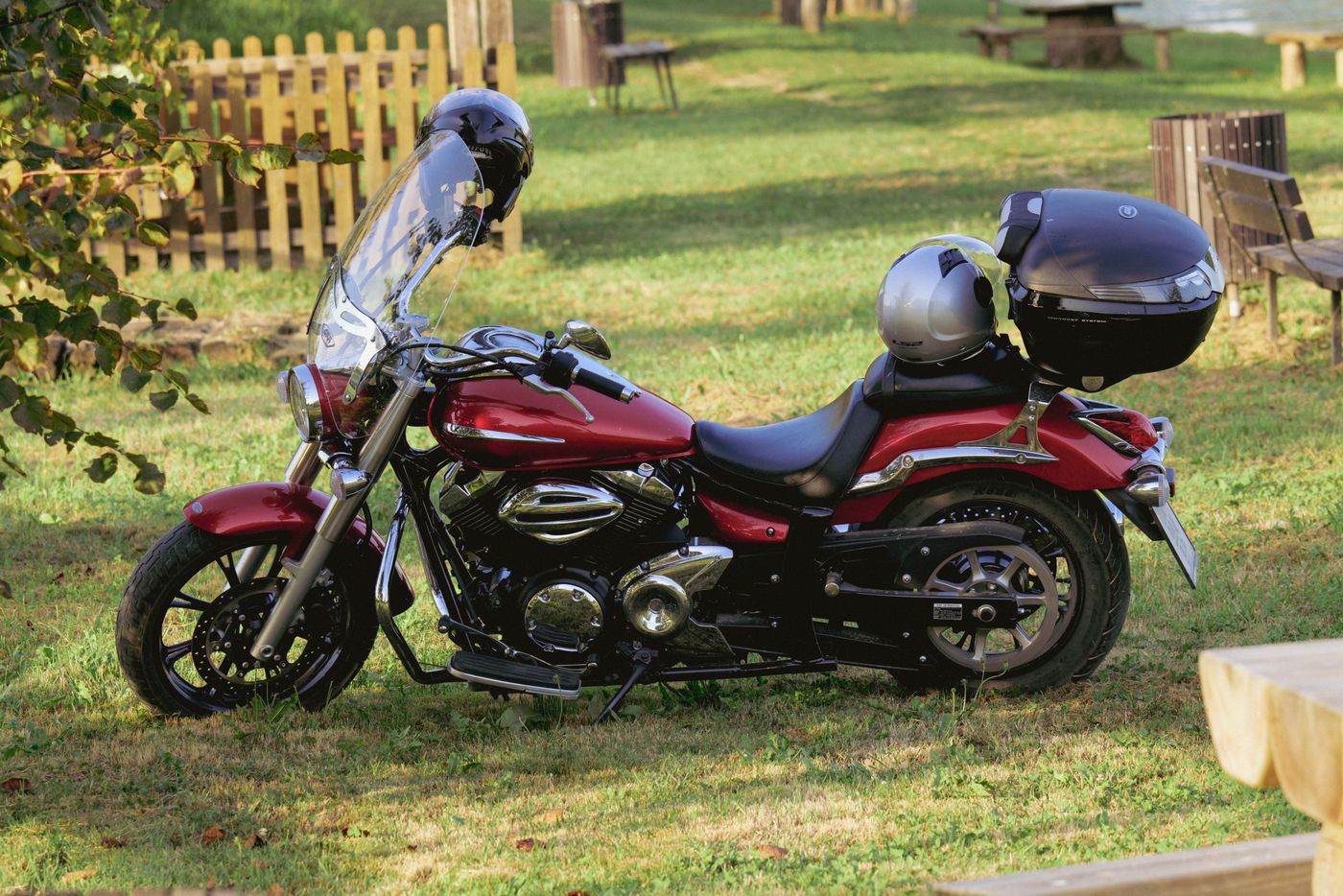
A bike is easier to move than a car and easier to damage. It has exposed fairings, mirrors, levers, a chain and a fuel tank, and it can fall over if it is not secured properly. The difference between a good bike move and a bad one is usually the packing, not the distance.
This guide covers the practical side: how the bike travels, what to remove, how much fuel to leave, which documents to keep and what to check at delivery. It applies to scooters, commuter bikes, cruisers and superbikes, though the last two need a little more care.
Why bikes are different from cars
A car sits on four wheels and has a steel body. A bike balances on two wheels and has parts that stick out. On a moving carrier, a bike needs a proper stand, soft straps and protection for the paint. If it is simply pushed into a truck and tied with rope, the handlebar can turn, the mirror can snap and the fairing can crack.
Bikes are also lighter, which makes them easier to load but easier to move around during transit. A bike that is not secured at the wheels can slide or tip. The carrier should use a wheel chock or a dedicated stand, not just straps around the bodywork.
Carrier vs crate vs train
The common options are a shared vehicle carrier, a dedicated crate or a train parcel service. A shared carrier is the usual choice for a standard bike. The bike travels with other vehicles or goods, and the cost is lower. A crate is a wooden or metal frame built around the bike; it offers the best protection but costs more and takes longer to prepare.
Train parcel services can be economical for long routes, but you need to drop off and collect the bike at the parcel office, and the packing requirements vary. For a high-value or modified bike, a crate or an enclosed carrier is usually worth the extra cost. Ask what the quote includes and who handles the bike at each transfer point.
If your bike has expensive fairings, a custom paint job or aftermarket parts, ask for photos of the packing before it is loaded.
Preparing the bike
Clean the bike before packing so you can see existing scratches and so the crew is not working with dirt and grit. Remove mirrors, indicators, the phone mount, the tank bag and any loose accessories. If the mirrors are fragile, pack them separately and label them. Lower the tyre pressure slightly for transport, but do not deflate the tyres completely.
Check the oil, coolant and brake fluid levels. A small leak during transit can stain the packaging and the bike. If the bike has a chain, clean and lubricate it lightly. For a scooter, remove the key from the ignition and secure the seat. Take photos of both sides, the front, the rear and the odometer before pickup.
- Clean the bike and photograph all sides.
- Remove mirrors, indicators and loose accessories.
- Check for oil, coolant or brake fluid leaks.
- Lower tyre pressure slightly, but do not deflate.
- Record the odometer and existing damage.
Fuel and battery rules
Most carriers ask for a low fuel level, often around a quarter tank or less, to reduce fire risk. Follow the operator's instruction. Do not drain the tank completely if the bike needs to be ridden on and off the carrier. For a scooter with a carburettor, ask whether the fuel should be drained or stabilised for a long trip.
Disconnect the battery if the operator recommends it, especially for a long journey. A battery that drains during transit can be a nuisance at delivery. If the bike has an alarm or a tracking device, tell the operator so they can manage the battery. Remove any removable electronics and keep them with you.
Documents and insurance
Keep the original RC, insurance, PUC and your ID with you. The carrier may need copies for the consignment note. If the bike is financed, check whether the lender needs to be informed. If someone else is handing over or receiving the bike, give them a signed authorisation letter and a copy of their ID.
Ask what the carrier's insurance covers and what the excess is. For a high-value bike, check whether the declared value matches the market value. If the bike is covered by your own insurance, inform your insurer about the move. Keep the condition report and the consignment note until the bike is delivered and checked.
Packing accessories and luggage
Do not leave a helmet, riding gear, luggage or tools on the bike. They can scratch the paint, fall off or be stolen. Pack them separately and label the box. If you are shipping a top box or panniers, remove them and pack them with the rest of your luggage. A bike with a loaded top box is top-heavy and harder to secure.
If you need to ship a helmet, pack it in a helmet bag or a box with soft padding. Do not put heavy items on top of it. Riding gear can go in a separate carton with your other belongings. Keep the bike key with you, not in the bike or the luggage.
A bike key is easy to lose in a move. Keep it in your pocket or your first-night bag, not in a box.
Door-to-door vs terminal
Door-to-door means the carrier collects the bike from your address and delivers it to the destination address, or as close as the vehicle can get. Terminal-to-terminal means you drop the bike at a hub and collect it at the destination hub. Terminal-to-terminal is cheaper, but you need to arrange the first and last mile.
Ask exactly where the bike will be picked up and delivered. If the lane is narrow or the building has no parking, the handover may happen at a nearby point. Confirm whether there is an extra charge for a feeder vehicle or a hand carry. For a high-value bike, ask whether it travels in an enclosed vehicle or an open carrier.
Delivery inspection
At delivery, inspect the bike in daylight before you sign. Check the mirrors, levers, fairings, exhaust, fuel tank and wheels. Look for new scratches, dents or cracks. Check that the odometer matches the pickup reading and that the bike starts. If something is wrong, photograph it and note it on the delivery sheet before the carrier leaves.
If the bike does not start, check the fuel valve, the battery and the side-stand sensor before assuming a major problem. A bike that has been sitting for a week may need a little choke or a jump start. If there is damage, follow the carrier's claims process and keep the condition report, photos and repair estimate.
A bike transport checklist
Use this list at booking, pickup and delivery. It is short because the details are in the sections above. The most important items are the photos, the fuel level and the delivery inspection.
If you are comparing quotes, ask what is included: packing, loading, unloading, insurance, door-to-door delivery and any terminal charges. A cheap quote that excludes packing or insurance is not necessarily cheaper. Confirm the carrier type and the delivery address before you book.
- Choose carrier, crate or train based on the bike value.
- Clean and photograph the bike before pickup.
- Remove mirrors, accessories and luggage.
- Follow the fuel and battery instructions.
- Keep RC, insurance, PUC and ID with you.
- Confirm door-to-door or terminal-to-terminal.
- Inspect the bike in daylight before signing.
- Report damage before the carrier leaves.
Before you ride it home
A bike that has been in a carrier for a week may not start on the first attempt. Check the fuel valve, the choke and the side-stand sensor before assuming the battery is dead. If the bike has a kick-start, try that. If it still will not start, do not force it; ask the carrier for a jump start or a local mechanic.
Check the tyre pressure before riding. Carriers sometimes lower the pressure for transport, and a soft tyre can feel unstable at speed. Check the brakes, the chain tension and the mirrors. If you removed the mirrors, refit them before you leave the delivery point. Make sure the luggage you removed is accounted for and the key is with you.
Ride gently for the first few kilometres. Listen for new noises, check the steering and test the brakes in a safe area. If the bike pulls to one side or the handlebar feels loose, stop and inspect it. A small adjustment at the delivery point is easier than a breakdown on the highway.
Clean the bike when you get home. Road dust and rain can hide scratches and cause corrosion. Wash it, dry it and lubricate the chain, then take photos of the clean bike and compare them with the pickup photos. If something is wrong, report it while the delivery is still fresh.
If you are not going to ride immediately, store the bike properly. A full tank or a fuel stabiliser, a trickle charger and a cover will prevent a flat battery and stale fuel. Keep the condition report and the delivery photos with the service history until the next service. A bike that sits for weeks after a move can develop problems that have nothing to do with the carrier.
Key takeaways
- Bikes need proper stands and soft straps, not rope around the bodywork.
- A crate or enclosed carrier is worth it for high-value or modified bikes.
- Remove mirrors, accessories and luggage before packing.
- Keep documents and the bike key with you.
- Inspect the bike in daylight and report damage before signing.
Useful next steps
Frequently asked questions
Most carriers ask for a quarter tank or less to reduce fire risk. Follow the operator's instruction and leave enough fuel to load and unload the bike safely.
Yes. Mirrors, indicators and loose accessories are vulnerable in transit. Remove them, pack them separately and label the box. This also makes the bike easier to secure.
A crate offers the best protection, especially for high-value or modified bikes, but it costs more and takes longer. A shared carrier is fine for a standard bike if it is packed and secured properly.
Keep the original RC, insurance, PUC and your ID with you. The carrier may need copies for the consignment note. If someone else is handing over the bike, add a signed authorisation letter and their ID.