
Car transport is one of those services that sounds simple until something goes wrong. The car is picked up, driven onto a carrier, strapped down and delivered. What could happen? Quite a lot, if the condition report is sloppy, the carrier is overloaded or the delivery address cannot take a large truck.
This guide is not a price list. It is a checklist of the things that determine whether your car arrives in the same condition it left. If you understand the process, you can ask better questions and avoid the most common surprises.
What car transport actually means
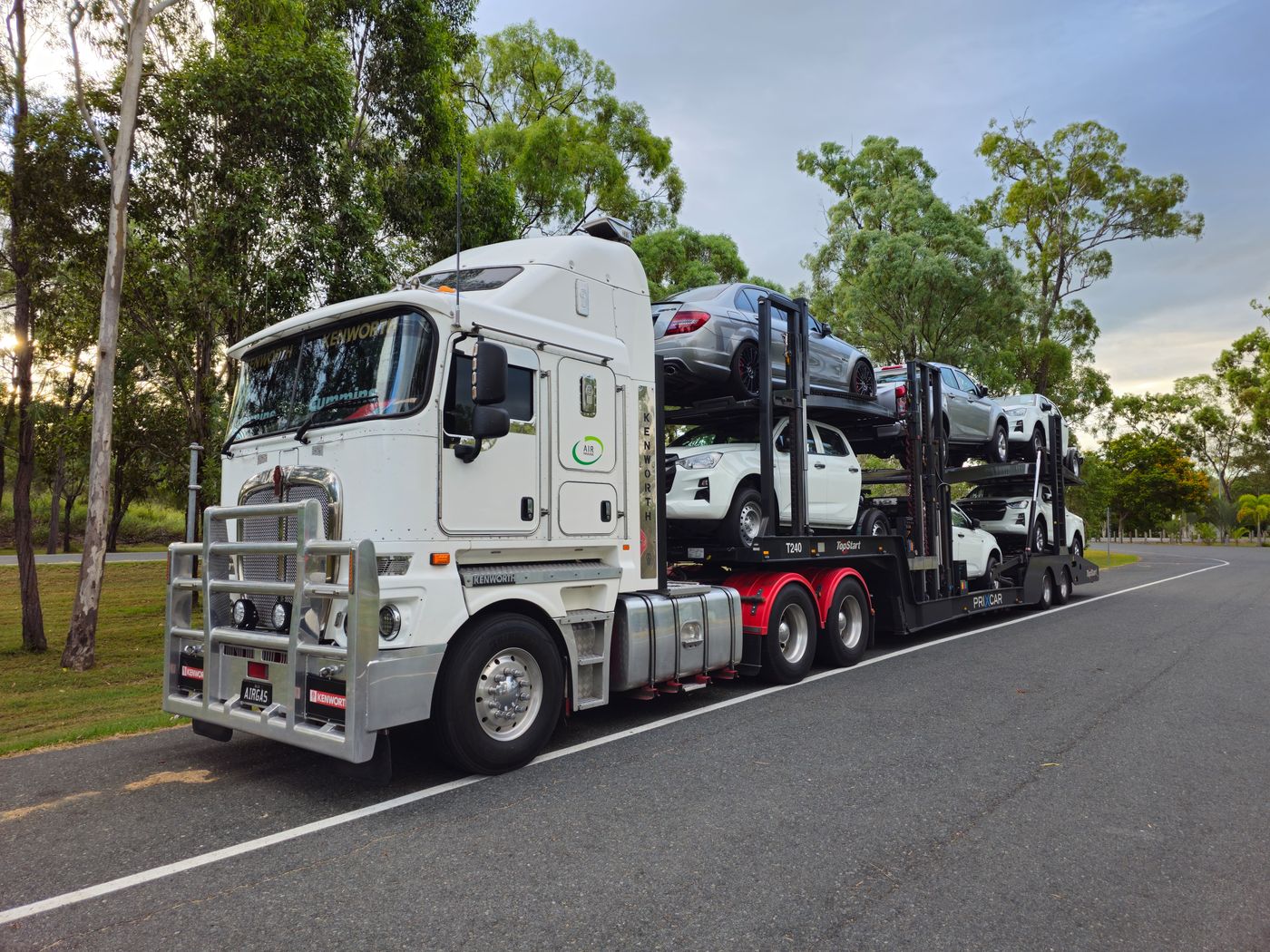
Car transport usually means your car travels on a multi-car carrier, not driven by a chauffeur. The carrier is loaded at a hub or at your door, depending on the service. The car is secured with soft straps or wheel chocks, and it may be moved between carriers at a transfer point on a long route.
The alternative is a single-car trailer or a driver-driven service. A single-car trailer is useful for a luxury or non-running vehicle, but it costs more. A driver-driven service is cheaper for some routes, but it adds mileage and depends on the driver. Ask which method the quote uses; the words car transport can mean all three.
Open vs enclosed carrier
An open carrier is the standard multi-car truck you see on highways. It is cheaper and widely available. The car is exposed to dust, rain, road debris and occasional stone chips. For most everyday cars, an open carrier is fine, especially for a short or medium route.
An enclosed carrier protects the car from weather and debris, but it costs more and has less availability. It makes sense for a luxury car, a classic, a freshly painted vehicle or a long route through heavy monsoon. If you choose enclosed, confirm that the carrier is fully enclosed, not just covered with a tarpaulin.
Ask for photos of the actual carrier, not a stock image. The condition of the truck and the loading ramps tells you a lot about how the operator works.
The condition report and photos
Before the car is loaded, the operator should prepare a condition report. It lists the existing scratches, dents, paint chips, tyre condition, odometer reading and fuel level. Take your own photos and a short video on the day of pickup, including the roof, the bumpers and all four corners. Keep the report and the photos until the car is delivered and checked.
At delivery, compare the car to the report before you sign anything. Do this in daylight if possible. If there is new damage, photograph it, note it on the delivery sheet and ask the operator to sign. Do not accept a verbal promise that the office will sort it out later. The paperwork at delivery is the evidence you will need.
- Photograph all four corners, the roof, the bonnet and the boot.
- Record the odometer and the fuel level.
- Note existing scratches, dents and paint chips on the report.
- Film a slow walk-around video at pickup.
- Compare the car to the report before signing at delivery.
Documents you need
Keep the original RC, insurance, PUC and your ID with you, not in the car. The carrier may need copies for the consignment note. If the car is financed, check whether the lender needs to be informed or whether a no-objection certificate is required for inter-state movement.
If someone else is handing over or receiving the car, give them a signed authorisation letter and a copy of their ID. The operator will need to verify who is releasing and receiving the vehicle. A missing document can delay the pickup or the delivery by a day.
Fuel, alarms and personal items
Most carriers ask for a low fuel level to reduce weight and fire risk. Follow the operator's instruction; usually a quarter tank or less is enough to load and unload. Do not leave personal items, valuables, documents or electronics in the car. The carrier is not responsible for items left inside, and they can be stolen or damaged in transit.
Turn off the alarm and immobiliser if the operator needs to move the car. If the car has a keyless entry, leave the key with the operator and keep a spare. Remove toll tags, dash cams and anything attached to the windscreen that could be damaged or attract attention. If the car is non-running, tell the operator in advance; it needs a winch or a different loading plan.
Empty the car completely. A jacket, a phone charger or a pair of sunglasses is easy to forget and easy to lose.
Door-to-door vs terminal-to-terminal
Door-to-door means the carrier picks up and delivers at your address, or as close as a large truck can get. Terminal-to-terminal means you drop the car at a hub and collect it at the destination hub. Terminal-to-terminal is usually cheaper, but you need to arrange the first and last mile yourself.
In many cities, a large carrier cannot enter residential lanes. Door-to-door may actually mean door-to-hub or a nearby transfer point. Ask exactly where the car will be picked up and delivered, and whether there is an extra charge for a small feeder vehicle. If you are moving to a hill area or a narrow lane, confirm the last-mile plan before booking.
Timing and route
A long-distance car move can take four to ten days, depending on the route, the carrier's schedule and the number of stops. A shared carrier waits until it has enough cars for the route, which can add a few days. A dedicated trailer is faster but more expensive.
Ask for a pickup window and a delivery estimate in writing. A good operator will update you when the car is loaded, when it leaves and when it is expected. If the route passes through a monsoon-affected area, add a buffer. If you need the car by a specific date, tell the operator at the booking stage, not after the car is on the truck.
What can go wrong and how claims work
The most common issues are minor scratches, a flat battery, a dirty exterior and a delayed delivery. More serious damage is rare but possible, especially if the car is not secured properly or the carrier is involved in an accident. That is why the condition report and the photos matter.
If there is damage, report it at delivery and follow the operator's claims process. You will usually need the condition report, the delivery sheet, photographs and a repair estimate. Check whether the carrier's insurance covers the damage and what the excess is. If the car is covered by your own insurance, inform your insurer as well. Do not start repairs before the claim is documented.
- Report damage at delivery, before the car leaves the carrier.
- Get the operator's signature on the delivery sheet.
- Photograph the damage from several angles.
- Keep the condition report and the consignment note.
- Ask for the claims process and the expected timeline in writing.
A car transport checklist
Use this list at booking, at pickup and at delivery. It takes ten minutes and saves a lot of argument. The goal is not to mistrust the operator; it is to create a shared record so that everyone knows what the car looked like before and after.
If you are comparing quotes, ask what is included: pickup, delivery, loading, unloading, insurance, tolls and taxes. A low quote that excludes the last mile or the insurance is not a low quote. Compare the full scope, and confirm the carrier type and the delivery address.
- Confirm open or enclosed carrier.
- Confirm door-to-door or terminal-to-terminal.
- Complete the condition report and photos.
- Remove personal items and reduce fuel.
- Keep RC, insurance, PUC and ID with you.
- Get the pickup and delivery windows in writing.
- Inspect the car in daylight before signing.
- Report any damage before the car leaves the carrier.
Hill routes, monsoon and long corridors
A car carrier that is fine on a flat highway is a different proposition on a hill route. Ask whether the driver has done the route before, whether the carrier can handle the gradients and whether the delivery point has space to unload. A steep lane with a hairpin bend may need a smaller carrier or a handover at the bottom of the hill.
During the monsoon, expect delays. Water on the road, poor visibility and landslides can add days. An open carrier will also leave the car dirty and may expose it to rain. If the car is valuable, choose an enclosed carrier or wait for a drier window. If you cannot wait, photograph the car carefully and accept that a wash will be needed at the other end.
For a long corridor, ask how many times the car will be transferred. A car that moves between three carriers is handled more and is more likely to pick up scratches. If the quote is unusually cheap, ask whether it covers the full route or only part of it. The last thing you want is a call from a hub asking for more money to release the car.
Key takeaways
- Car transport usually means a multi-car carrier, not a driver service.
- An open carrier is fine for most cars; enclosed is better for luxury or classic vehicles.
- A photo condition report at pickup is your main protection at delivery.
- Empty the car and keep documents with you, not inside the vehicle.
- Report damage before the car leaves the carrier and keep all paperwork.
Useful next steps
Frequently asked questions
For most everyday cars, yes. Open carriers are the standard method and are safe when the car is secured properly. Expect dust and possible stone chips on long routes. Choose enclosed transport for luxury, classic or freshly painted cars.
It is not recommended. Carriers usually do not cover personal items, and valuables can be stolen or damaged. Remove everything before pickup and keep documents with you.
Follow the operator's instruction, usually a quarter tank or less. Low fuel reduces weight and fire risk. The car needs enough fuel to load, unload and move a short distance.
Report it at delivery before the car leaves the carrier, photograph the damage, note it on the delivery sheet and get the operator's signature. Then follow the claims process with the condition report and a repair estimate.