
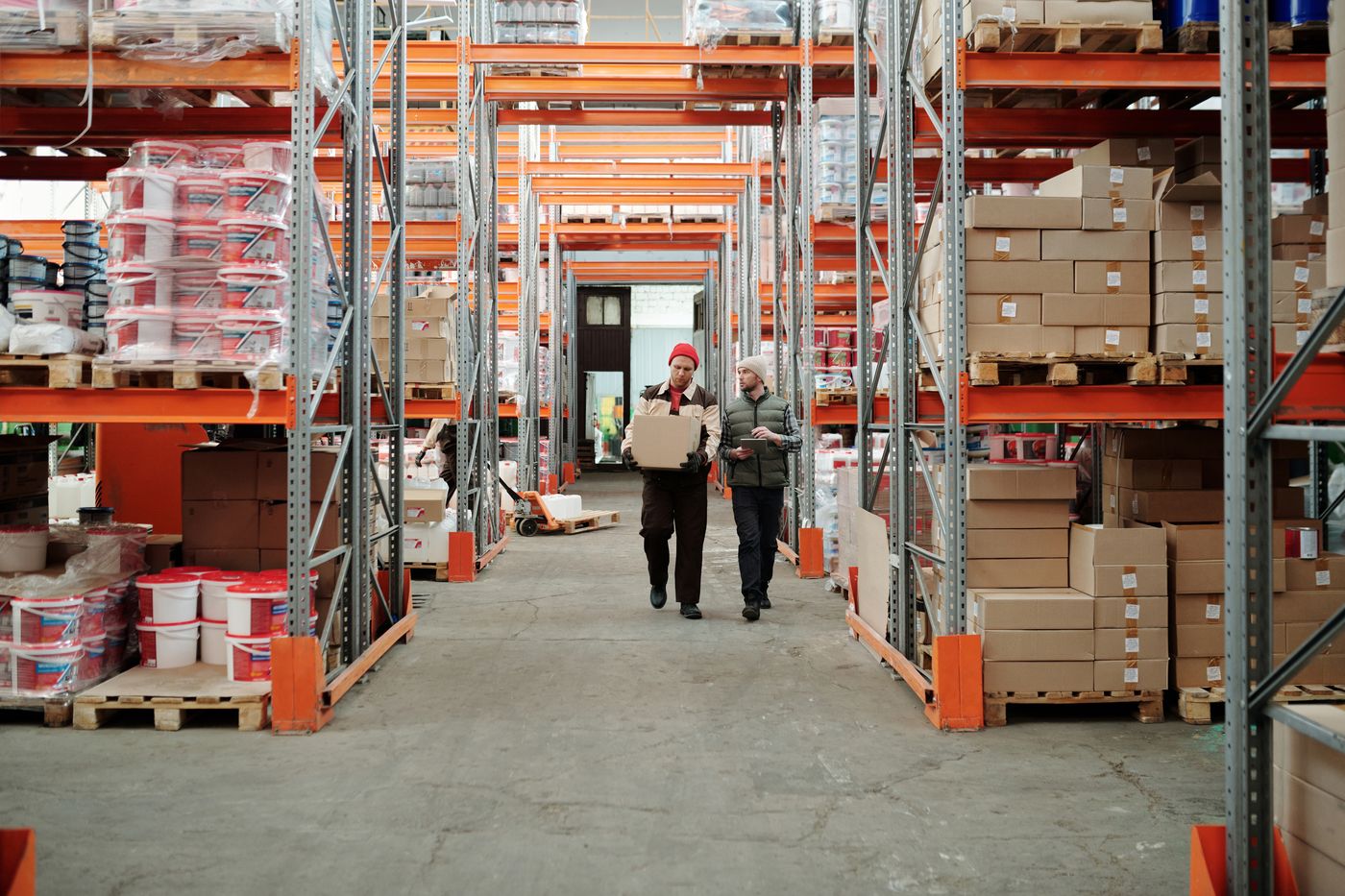
Storage is one of those services that people book in a hurry and regret later. The gap between homes is longer than expected, the new flat is not ready, or the office lease ends before the new one begins. You need somewhere safe for your belongings, and you need it now.
The problem is that not all storage is the same. A warehouse that is fine for sealed cartons may be wrong for wooden furniture, electronics or documents. This guide explains what to ask, how to pack for storage and how to avoid paying for space you do not need.
When storage makes sense
Storage makes sense when there is a gap between the old home and the new one, when a renovation is delayed, when you are downsizing and not ready to sell, or when a family member is moving abroad and leaving some belongings behind. It also helps when you need to stage a home for sale or wait for a new office to be ready.
Storage does not make sense as a permanent solution for things you do not use. If you have not opened a box in a year, paying to store it for another year is a poor deal. Use the move as a chance to declutter before you pay for space.
Types of storage
There are three broad options: a shared warehouse, a private room or container, and a self-storage unit. A shared warehouse is the most common for household moves. Your goods are stored in a designated area, often on pallets or racks, and accessed by the operator. A private room or container gives you more control and is better for high-value items.
Self-storage units are usually rented directly by the customer, with a key and access during office hours. They are useful for small volumes and short durations, but they may not include packing, transport or insurance. Ask what type of storage the quote refers to before you compare prices.
Ask whether the storage is at the same facility as the mover's warehouse or a third-party site. It affects access, security and the claims process.
Climate and security
Not every warehouse is dry and ventilated. In coastal cities like Goa, humidity is a real risk. In Delhi, dust and heat are the issues. Ask whether the facility is weatherproof, whether it is ventilated or climate-controlled, and whether the goods are stored off the floor. A pallet or rack makes a difference during the monsoon.
Security matters too. Ask about CCTV, security guards, access control, fire safety and who holds the keys. If the facility is shared, ask how your goods are separated from other customers. A locked cage or a dedicated room is better than an open floor for high-value items.
- Is the warehouse weatherproof and ventilated?
- Are goods stored on pallets or racks?
- Is there CCTV and a security guard?
- How are your goods separated from other customers?
- What is the fire safety arrangement?
- Who can access the storage, and during what hours?
What to store and what not to
Furniture, cartons, appliances, seasonal items, books and kitchenware are all fine for storage if they are packed properly. Electronics should be boxed with moisture protection. Documents and photographs should be in sealed, water-resistant boxes. Mattresses and upholstery should be bagged and kept off the floor.
Do not store food, liquids, plants, pets, flammable materials, fireworks, chemicals or anything that can leak or attract pests. Do not store jewellery, cash, passports or irreplaceable documents in a warehouse; keep them with you. If you are storing a vehicle, ask about battery, fuel and tyre care.
Packing for storage
Storage packing is different from moving packing. Boxes may sit for months, so use strong double-wall cartons, label every box on the top and side, and keep an inventory. Do not use vacuum bags for everything; some fabrics need to breathe. Wrap furniture in breathable covers rather than sealed plastic if the storage is humid.
Keep the boxes off the floor and away from the walls. If you are storing a wardrobe or a sofa, clean and dry it first, then cover it. Remove batteries from electronics, empty the fridge and washing machine, and clean the interiors. A dirty appliance stored for months can develop mould and odour.
Inventory and access
Make a detailed inventory with photos. Number every box and note the room, the contents and the priority. Keep a copy on your phone and a copy with the storage operator. If you need something during the storage period, the inventory tells you which box to ask for.
Ask how access works. Can you visit the storage and retrieve a box? Is there a charge for access? How much notice do you need? Some warehouses allow access during office hours with a day's notice; others do not allow customer access at all. If you may need to retrieve documents or seasonal items, choose a facility with reasonable access.
Photograph the condition of furniture before storage and after retrieval. It makes a claim much easier if something is damaged.
Insurance and liability
Ask what the storage operator's liability covers and what it excludes. Many warehouses limit liability to a multiple of the storage fee, which may be far less than the value of your goods. If you need full cover, ask for a separate insurance quote and check the excess and the claims process.
Keep the inventory, photos and receipts for high-value items. If something is damaged or missing, report it as soon as you discover it and follow the operator's claims process. Do not sign a release or a clearance form until you have checked the goods.
Cost and duration
Storage is usually charged by volume, by pallet, by room or by square foot, plus a handling fee for putting goods in and taking them out. The first month may be discounted, but the ongoing rate is what matters. Ask for the monthly rate, the minimum duration, the notice period and the cost of early withdrawal.
If you are comparing storage quotes, compare the same volume and the same services. A quote that excludes handling, packing material or insurance is not cheaper. Ask whether transport to and from the storage is included or charged separately.
A storage checklist
Use this list before you sign. It covers the questions that are easy to forget when you are in a hurry. If the operator cannot answer them clearly, look for another facility.
After the goods are stored, keep the inventory and the access details in a safe place. Set a reminder to review the storage every few months. If you no longer need the items, it is cheaper to sell or donate them than to keep paying for space.
- Confirm the type of storage and the access rules.
- Check security, CCTV and fire safety.
- Ask about climate, ventilation and floor storage.
- Pack in strong, labelled boxes with an inventory.
- Keep valuables and documents with you.
- Confirm insurance, liability and the claims process.
- Ask for the monthly rate, notice period and handling fees.
- Photograph the goods before storage.
Retrieving your goods and ending storage
Retrieval is the part people plan least. Give the operator notice, confirm the access time and arrange transport for the same day. If the goods are going to a new home, book the crew and the lift slot before you confirm the retrieval. Otherwise everything sits in the lobby while you wait for a truck.
Bring the inventory and check every box as it comes out. Look for water stains, crushed corners, insect activity and missing items. Photograph anything that looks wrong before you open it. If a box is damaged, open it in front of the operator and note the contents on the release form.
Do not sign a clearance form until you have checked the goods. Once you sign, the operator may treat the matter as closed. If something is missing or damaged, write it on the form, take photos and ask for the claims process in writing.
If you are ending storage because you no longer need the items, decide before the retrieval. Selling, donating or recycling is cheaper than paying another month while you sort through boxes at home. If you are extending, ask for the new monthly rate in writing; the promotional rate may not apply after the first term.
Finally, clean and air everything that has been in storage. Furniture, mattresses and clothes can pick up a warehouse smell. Wipe the surfaces, wash the fabrics and let the items breathe before putting them back into daily use.
One question people forget: who insures the goods while they are being moved into storage? Transit cover may end when the goods reach the warehouse, and storage cover may not begin until they are signed in. Ask for the handover point in writing. If there is a gap, arrange cover for it. A claim that falls between two policies is the hardest kind to settle. Keep the storage agreement, inventory and payment receipts together, and put the notice period in your calendar so you do not pay for an extra month by accident.
Key takeaways
- Storage is useful for a gap between homes, renovations or downsizing.
- Ask about climate, ventilation, security and floor storage before booking.
- Pack for the long term: strong boxes, labels, inventory and moisture protection.
- Keep valuables, documents and cash out of storage.
- Compare the full cost, including handling, insurance and access fees.
Useful next steps
Frequently asked questions
It depends on the volume, the type of storage and the city. A small consignment may be charged by pallet or square foot, while a full household may need a private room. Ask for the monthly rate plus handling and insurance.
It depends on the facility. Some allow access during office hours with notice, and some do not allow customer access. Ask before you book, especially if you may need documents or seasonal items.
Usually not, or only for a few days. Ask how many free days are included and what the daily or monthly rate is after that. Confirm whether transport to and from storage is included.
Do not store food, liquids, plants, pets, flammable materials, chemicals, cash, jewellery or irreplaceable documents. These can leak, attract pests, create a fire risk or be difficult to insure.