
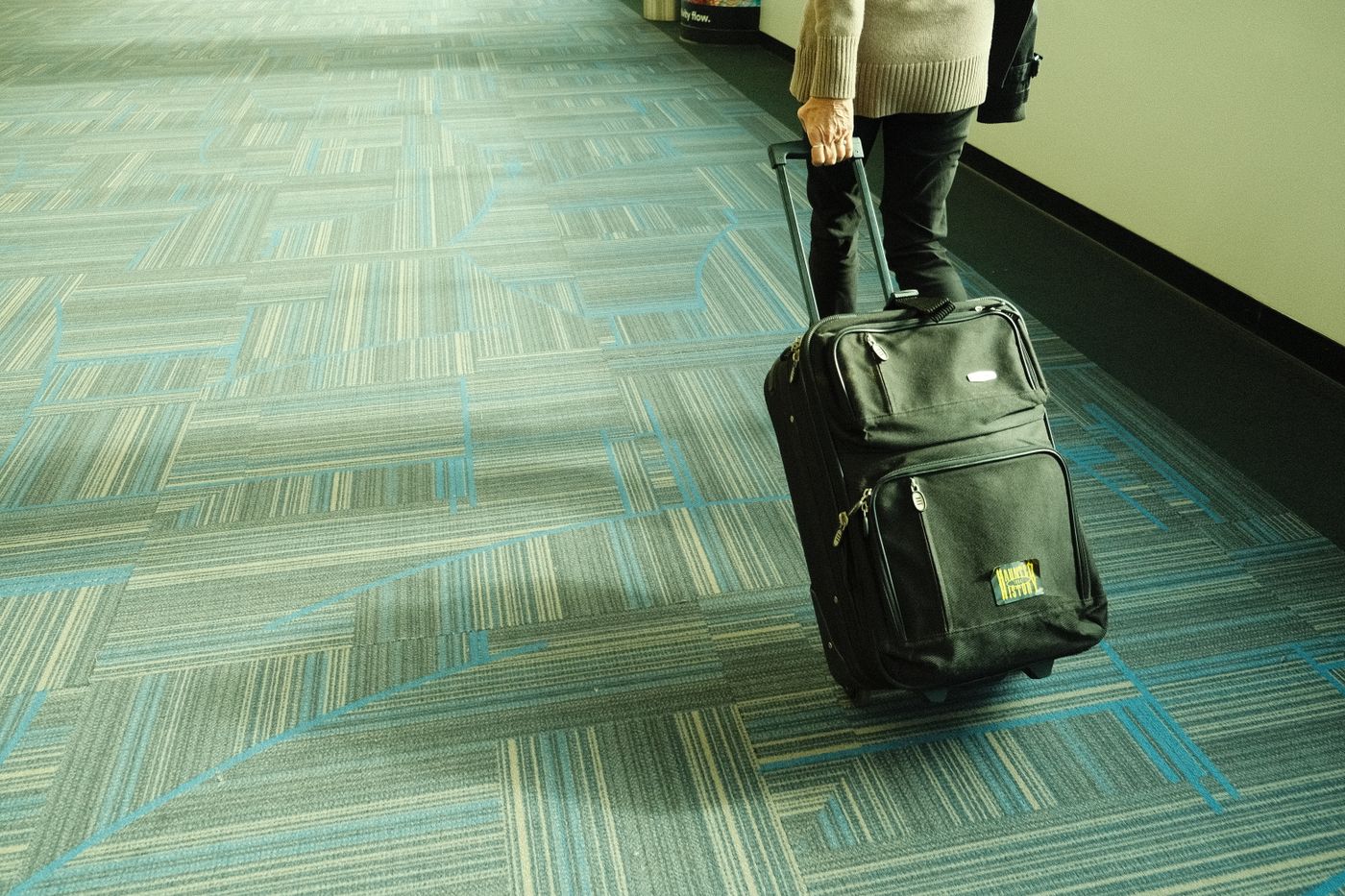
Luggage transport is the simplest service on a moving company's list, which is why people often treat it casually. A bag is handed over, a price is quoted, and the parcel is expected to arrive. Most shipments do arrive, but the exceptions share the same causes: weak packing, unclear labels and a missing inventory.
This 2027 guide explains how to prepare bags and cartons for a parcel move, what a fair quote should include and how to track the consignment without chasing the office.
Decide what belongs in a parcel
Luggage transport suits suitcases, backpacks, cartons of books, clothes, kitchen items and small appliances that do not need a full household crew. It is not a courier for documents, jewellery, cash or medicines you need immediately. Carry those items with you.
Make a simple list of each bag and carton before pickup. Note the contents in broad terms and assign a number to each piece. This inventory takes five minutes and becomes the reference if a piece is delayed.
Pack for a journey, not for a cupboard
Use a rigid carton for books and fragile items, with void fill so nothing shifts inside. Wrap crockery individually and mark the carton clearly. Suitcases should be closed with a strap or lock, and loose straps should be tucked in so they do not catch in handling equipment.
Label every piece on at least two sides with your name, destination city, phone number and the piece number. Remove old labels completely; a stale address can send a bag to the wrong hub. Photograph the labelled pieces before pickup.
Understand the price slab
Luggage quotes are usually based on the number of pieces, weight, volume and distance. A single suitcase on a short route is priced differently from ten cartons on an intercity lane. Ask whether the quote includes pickup from your door, delivery to the destination door, and both loading and unloading.
The written quote should list the piece count and the service level. Indicative tables are useful for budgeting, but the final figure should come from the details you give the coordinator. The invoice is generated from the approved written quotation, not from a number invented at pickup.
Insurance and declared value
Optional transit insurance is charged at 7% of the declared value of the goods and only if you opt for it. For ordinary clothing and books, many customers skip it. For electronics, instruments or a bag of expensive items, a declaration with a policy is worth the small premium.
If you take insurance, declare the value item by item and keep the list with the inventory. A round number without supporting detail can be questioned at claim time.
Tracking and delivery
Ask for a consignment or docket number at pickup. It should appear on the receipt and in the dispatch confirmation. Status updates usually show booking, dispatch, arrival at the destination hub and out for delivery. Keep the number in your phone rather than relying on email you may not check while travelling.
At delivery, count the pieces before signing. If a piece is missing or damaged, note it on the delivery record and contact the office the same day. A quick report is far easier to trace than one made a week later.
Four packing mistakes worth avoiding
The first mistake is overfilling a suitcase until the zip is under strain. Zips fail in transit, and a failed zip exposes everything inside. Use a second strap around the bag and keep the load light enough that the zip closes without force.
The second is packing a carton with all the heavy items on one side. The carton tips inside a vehicle, and the contents shift into the fragile piece at the top. Distribute weight evenly and fill empty space with clothing or paper.
The third is relying on an old label. A previous courier sticker can send your bag to another city even when your new label is clear. Remove every old label and write the destination in full, including the pin code.
The fourth is keeping the receipt only in your email inbox. When you are travelling, you may not open that inbox for days. Save the consignment number and a photo of the receipt in your phone so you can quote it at a hub or on a call.
Treat each bag as a small consignment with its own number, label and entry in your list. That habit makes a multi-piece move easy to count at both ends and gives the hub a precise reference if one piece is delayed on the way.
Planning around travel dates
Luggage transport often runs alongside your own travel. Book the pickup at least a day before you leave, and give the coordinator a delivery window that matches when someone will be at the destination to receive it. A parcel arriving two days early can be as inconvenient as one arriving late.
If you are changing cities for a new job, send only what you will not need for the first week. Keep a small personal bag with clothing, chargers, documents and basic utilities. That bag removes the anxiety of waiting for a consignment in an unfamiliar city.
For hostels, rented rooms and gated societies, confirm who can accept a parcel and whether the gate requires an entry note. Give the receiving person the consignment number and the driver's expected arrival window. A failed first delivery attempt is the most common cause of a two-day delay.
Keep your receipt and consignment number until the pieces are counted and signed for. If you need to raise a missing-piece report, the number lets the hub find the exact consignment in its system instead of searching by name.
Treat each bag as a small consignment with its own number, label and entry in your list. That habit makes a multi-piece move easy to count at both ends and gives the hub a precise reference if one piece is delayed on the way.
Making a claim straightforward
If a piece is damaged, keep the packing as it arrived until the claim is reviewed. Photograph the outside of the carton or bag, the label and the damaged contents separately. Throw nothing away before the office confirms what is needed.
Send the consignment number, inventory, receipt and photographs together in one message. A claims team can decide quickly when it has the whole file. Drip-feeding information over several days slows the process for everyone.
If the piece was insured, check the declared value and the policy wording before agreeing a settlement. Optional insurance at 7% of declared value applies only to what was declared and documented, so the item list matters.
Treat each bag as a small consignment with its own number, label and entry in your list. That habit makes a multi-piece move easy to count at both ends and gives the hub a precise reference if one piece is delayed on the way.
Payment rules that protect you
A 20% advance confirms the booking and the balance is payable after pickup, as stated in the written quote. Pay to a company account and keep the receipt. Avoid cash-only arrangements where no receipt or consignment number is issued.
A professional operator will explain the delivery window and what to do if it changes. Treat a vague promise with no paperwork as a risk, especially when the parcel contains anything you cannot easily replace.
Key takeaways
- List and number every bag or carton before pickup.
- Label each piece on two sides and remove old labels.
- Use rigid cartons and internal filling for books and fragile items.
- Optional transit insurance is 7% of declared value, only if you choose it.
- Count pieces at delivery before signing, and report problems the same day.
Frequently asked questions
Suitcases, backpacks, cartons of books, clothes, kitchen items and small appliances. Carry documents, cash, jewellery and essential medicines with you instead.
By piece count, weight, volume and distance. A written quote should state what is included: door pickup, delivery, loading and unloading. The invoice follows that approved quotation.
It is optional at 7% of declared value. Consider it for electronics or expensive items, and keep an item-by-item declaration with your inventory.
Ask for a consignment number at pickup. Use it for booking, dispatch, hub arrival and delivery updates, and keep it on your phone while you travel.
Photograph it, note the damage on the delivery record before signing and inform the office the same day. Your packing photographs and inventory support the claim.